
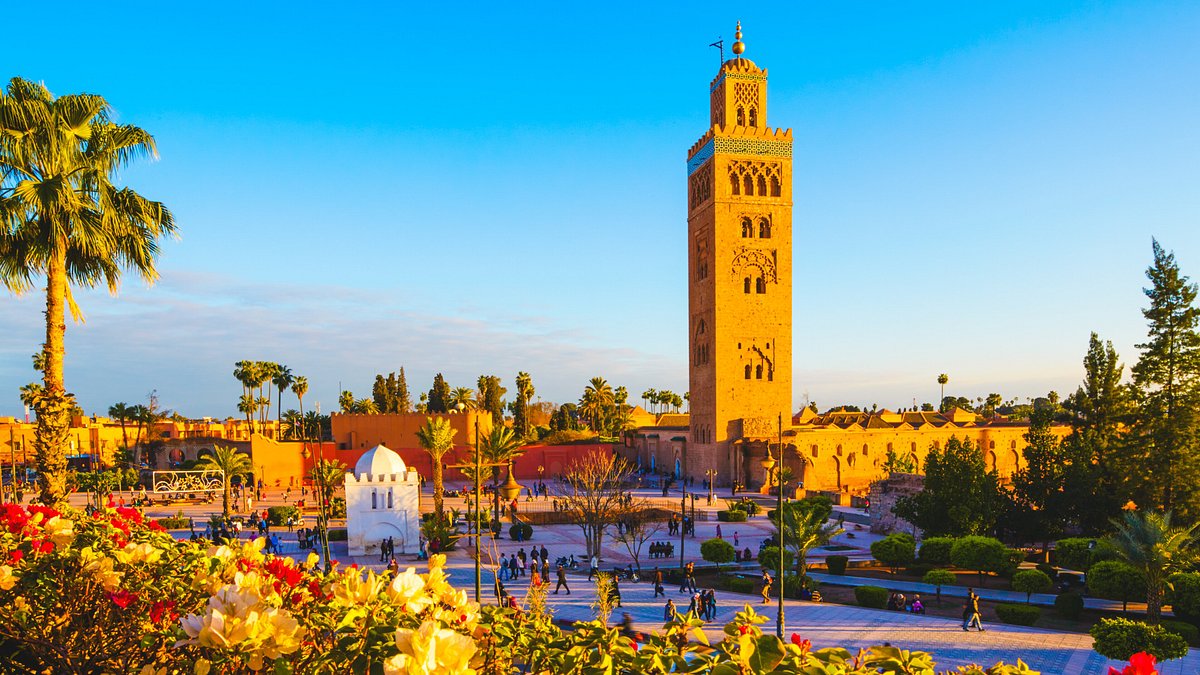
One of the most common questions travelers ask before visiting Morocco is: "What should I wear?" As a Muslim country with a rich cultural heritage, Morocco has different expectations than European destinations. Here's your complete guide to dressing appropriately and comfortably in Morocco.
General Guidelines
Morocco is Moderate, Not Strict
Morocco is one of the more moderate Muslim countries. In tourist areas like Marrakech, Agadir, and Fez, you'll see a wide range of clothing. However, showing respect for local customs will earn you warmer interactions and fewer unwanted stares.
The Golden Rule: Shoulders and Knees
As a general guideline, cover your shoulders and knees when in public areas, especially in medinas, rural areas, and religious sites. This applies to both men and women.
Beach Resorts Are Different
In coastal resort towns like Agadir and Essaouira's beach areas, standard beachwear is fine on the beach. Cover up when you leave the beach area.
What Women Should Wear
Recommended
- Loose trousers or maxi skirts: Comfortable and culturally appropriate
- T-shirts with sleeves: Cap-sleeve or short-sleeve tops are fine in tourist areas
- Light cardigan or scarf: For covering shoulders when needed and warmth in the evening
- Long sundresses: With a cardigan or shawl for medina exploration
- Comfortable walking shoes: You'll walk a lot, often on uneven surfaces
- Sunglasses and hat: The Moroccan sun is strong year-round
Avoid
- Shorts above the knee: In medinas and rural areas
- Tank tops and spaghetti straps: In public areas (fine at beach/pool)
- Revealing clothing: Low-cut tops, crop tops in medinas
- Tight clothing: Draws unwanted attention
Head Covering
Not required for tourists. You do not need to cover your hair in Morocco. However, carrying a lightweight scarf is useful for:
- Visiting mosques (exterior areas open to non-Muslims)
- Protection from sun, sand, or wind
- Covering shoulders when entering more conservative areas
- Visiting rural villages
What Men Should Wear
Recommended
- T-shirts or polo shirts: Perfect for daily wear
- Long or knee-length shorts: Cargo shorts or walking shorts are ideal
- Lightweight trousers: Linen or cotton for hot days
- Comfortable walking shoes: Trainers, sandals with straps, or lightweight boots
- Sunglasses and hat: Essential
Avoid
- Very short shorts: Above the knee in medinas
- Going shirtless: Except at the beach or pool
- Offensive slogans on clothing: Keep it neutral
Seasonal Packing
Spring (March - May)
Weather: 20-28°C in cities, cooler in mountains
- Light layers for mornings and evenings
- A light jacket or fleece for mountain areas
- Comfortable walking shoes
- Sunscreen and hat
- Rain jacket (spring showers are possible)
Summer (June - August)
Weather: 35-45°C+ in Marrakech and inland, 25-30°C on the coast
- Light, breathable fabrics (linen, cotton)
- Loose-fitting clothing (keeps you cooler)
- Sunscreen (SPF 50+)
- Wide-brimmed hat
- Sunglasses
- Light scarf for air-conditioned spaces
- Swimsuit for hotel pools and beaches
Autumn (September - November)
Weather: 25-30°C early autumn, cooling to 20°C by November
- Mix of light and medium-weight clothing
- Light jacket for evenings
- Comfortable walking shoes
- Sunscreen still needed
Winter (December - February)
Weather: 10-20°C in cities, below freezing in mountains
- Warm layers (fleece, sweaters)
- Waterproof jacket
- Warm hat and gloves for mountain areas
- Comfortable boots
- Thermal underwear if visiting the Atlas or desert
Specific Situations
Visiting Mosques
Non-Muslims cannot enter most mosques in Morocco. Exceptions are the Hassan II Mosque in Casablanca and the Mohammed V Mausoleum in Rabat, where you'll need to:
- Cover shoulders and knees
- Remove shoes before entering
- Women: cover hair with a scarf
Sahara Desert (Merzouga)
- Light, breathable clothing for daytime
- Warm layers for cold nights (desert temperatures drop dramatically)
- Scarf or shemagh for sand and sun protection
- Sturdy closed shoes (sand gets very hot)
- Sunglasses and sunscreen
Atlas Mountains (Imlil, Ourika)
- Hiking boots or sturdy trainers
- Layers (temperatures change with altitude)
- Waterproof jacket
- Warm hat (even in summer at higher elevations)
Upscale Restaurants
Marrakech's finer restaurants appreciate smart-casual dress:
- Men: Collared shirt and trousers
- Women: Dress or smart separates
- Avoid shorts, flip-flops, and sportswear
Footwear Recommendations
Morocco involves a lot of walking on varied surfaces:
- Medina walking: Closed-toe shoes with good grip (cobblestones, uneven surfaces)
- Beach: Flip-flops or sandals
- Hiking: Sturdy hiking boots or trail shoes
- Evening: Smart sandals or loafers
Avoid: High heels in medinas (uneven surfaces and steps make them impractical)
What NOT to Pack
- Heavy winter coat: Unless visiting in deep winter and going to the mountains
- Excessive jewelry: Draws unwanted attention
- Expensive watches: Leave the Rolex at home
- Too many clothes: You can do laundry cheaply in Morocco
- Hairdryer: Most hotels and riads provide one
Cultural Sensitivity Tips
- Moroccans are tolerant of tourists' clothing choices, but dressing modestly earns respect
- Rural areas are more conservative than cities
- Ramadan: Be extra modest during the holy month
- Photography: Always ask permission before photographing people, especially women
Quick Packing List
Essentials:
- Passport and travel documents
- Travel insurance details
- Sunscreen (SPF 30+)
- Insect repellent
- Hand sanitizer
- Toiletries
- Medications (pharmacies in Morocco are excellent)
- Adapter (Type C/E, 220V)
- Cash (Moroccan Dirham - not available outside Morocco)
Clothing (1-week trip):
- 5-7 tops
- 2-3 pairs of trousers/long shorts
- 1-2 maxi dresses or skirts (women)
- 1 light jacket or cardigan
- 1 waterproof layer
- Underwear and socks
- 2 pairs of walking shoes
- 1 pair of sandals
- Swimsuit
- Scarf or shawl
- Hat and sunglasses
Enjoy your trip to Morocco! And when you need comfortable transfers between cities, contact TransferMorocco on WhatsApp.
Related topics: